
- Services
Hardwood Flooring
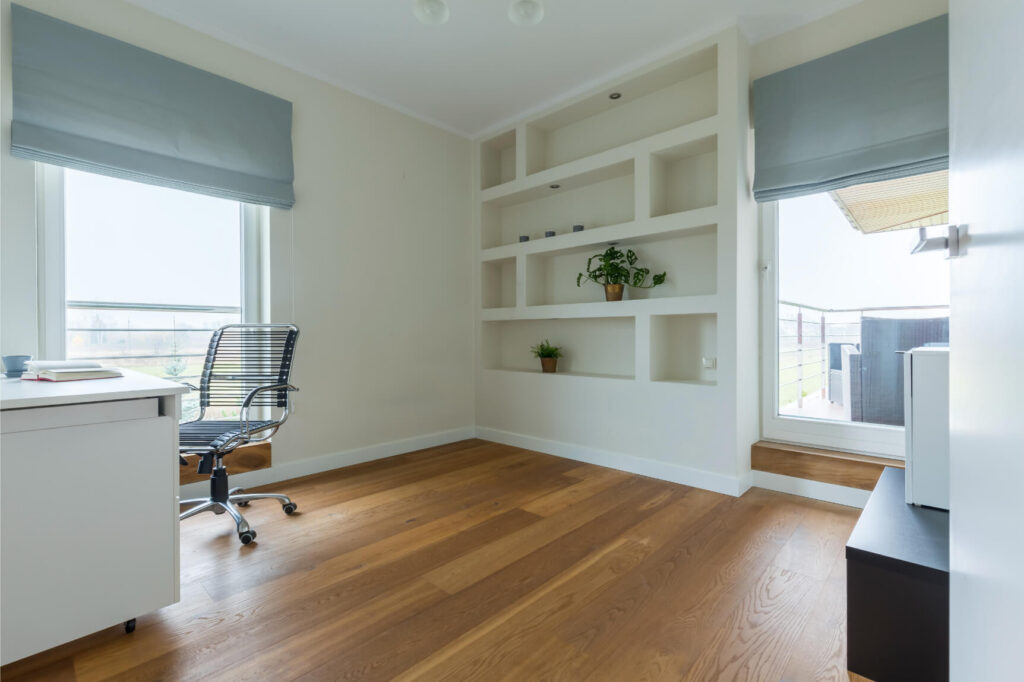
Introduction to Hardwood Flooring
Hardwood flooring is one of the most sought-after types of flooring for both residential and commercial spaces. Known for its natural beauty, durability, and timeless appeal, hardwood floors offer an aesthetic that enhances the look and feel of any room.
Whether you’re renovating your home or designing a new space, hardwood flooring can be a lasting investment that elevates the ambiance of your interior.
Why Choose Hardwood Flooring?
When it comes to choosing the right flooring for your home or office, hardwood stands out due to its numerous benefits. Below are some of the key reasons why hardwood flooring is a popular choice among homeowners and business owners alike:
Durability: Hardwood floors are known for their long-lasting nature. With proper care, they can last for decades, and even centuries in some cases.
Timeless Appeal: The natural look of wood never goes out of style. Whether you prefer the rich tones of oak, the rustic feel of pine, or the elegance of maple, hardwood flooring offers a wide range of options to suit every aesthetic.
Increase in Home Value: Installing hardwood flooring can increase the value of your property. Potential buyers often prefer homes with hardwood floors because of their perceived quality and long-term durability.
Easy to Clean and Maintain: Hardwood floors are relatively easy to clean. Regular sweeping and occasional mopping are enough to keep them looking pristine.
Types of Hardwood Flooring
There are several types of hardwood flooring available, each with its unique characteristics and suitability for different applications. Here’s a breakdown of the most common types:
Solid Hardwood
Solid hardwood is made from a single piece of wood, typically cut from oak, maple, or hickory trees. This type of flooring is durable, can be refinished multiple times, and provides a natural wood grain look that adds depth to any space. Solid hardwood floors are ideal for dry environments and are often used in living rooms, bedrooms, and hallways.
Engineered Hardwood
Engineered hardwood consists of multiple layers of wood that are pressed together to form a dense, stable product. The top layer is made from a hardwood veneer, while the lower layers are typically composed of plywood or fiberboard. Engineered hardwood is more resistant to moisture compared to solid hardwood, making it suitable for areas like kitchens or basements, where humidity levels might be higher.
Parquet Flooring
Parquet flooring is a type of patterned wood flooring, typically made from small pieces of wood arranged in geometric patterns. This style can add a unique design element to a room, offering both elegance and functionality. Parquet flooring is often used in formal settings such as dining rooms or offices, providing a sophisticated look with a touch of creativity.
Bamboo Hardwood
Though technically a grass, bamboo is classified as hardwood due to its strength and durability. Bamboo flooring is an environmentally friendly choice since it grows quickly and is renewable. Bamboo floors have a sleek, modern look and are incredibly durable, making them a great choice for eco-conscious homeowners.
Benefits of Hardwood Flooring
Aesthetic Appeal
Hardwood flooring enhances the look of any space, adding warmth, character, and style. The rich textures and unique grains of wood create a natural and sophisticated ambiance that can complement any décor, from traditional to contemporary.
Longevity
One of the most significant advantages of hardwood floors is their durability. Unlike carpets that can wear out or stain over time, hardwood floors retain their beauty with minimal maintenance. The ability to refinish hardwood floors allows you to restore their original shine, making them an excellent long-term investment.
Health Benefits
Hardwood floors do not trap dust, pollen, or pet dander like carpets do, making them an excellent choice for individuals with allergies or asthma. The hard surface is easy to clean, preventing the buildup of allergens and offering a healthier environment for your family.
Increased Home Value
Hardwood floors can significantly increase the resale value of your home. Many potential buyers prefer homes with hardwood flooring, viewing it as a premium feature. It is often considered an investment in your property’s long-term value.
The Installation Process
Preparation
Before installing hardwood flooring, it is essential to prepare the subfloor. This includes cleaning the area, ensuring it is level, and checking for any moisture that could affect the wood. Once the area is prepped, the installation process can begin.
Professional Installation vs. DIY
While some homeowners may choose to install hardwood floors themselves, it is often recommended to hire a professional for the job. Professionals have the expertise to install hardwood floors correctly, ensuring that they are level, properly aligned, and secure. They also have the tools and experience to handle difficult cuts and tricky installation areas, such as corners or stairs.
Acclimating the Wood
Before installation, the hardwood flooring needs to acclimate to the room’s temperature and humidity levels. This step ensures that the wood doesn’t expand or contract after installation. Allow the planks to sit in the room for at least 48 hours to adjust to the environment before proceeding.
Installation Techniques
There are several methods used to install hardwood flooring, including:
Nail-down: This method involves nailing the planks to the subfloor, which is often used for solid hardwood floors.
Glue-down: Adhesive is applied to the subfloor, and the planks are glued down. This technique is commonly used for engineered hardwood floors.
Click-lock: This is a floating floor installation method, where the planks are clicked together without the need for nails or glue. This method is often used for engineered hardwood and bamboo flooring.
Caring for Hardwood Floors
Regular Cleaning
To keep hardwood floors looking their best, regular cleaning is essential. Sweep or vacuum the floor frequently to remove dirt and debris, which can scratch the surface. When mopping, use a damp mop and avoid soaking the wood, as excessive moisture can damage the floor over time.
Refinishing and Sanding
Over time, hardwood floors can develop scratches, dents, and wear. To restore the floor’s appearance, it may be necessary to refinish the surface. Refinishing involves sanding the wood to remove the old finish, followed by applying a fresh layer of stain and sealant. This process can breathe new life into old hardwood floors, making them look brand new.
Preventing Damage
While hardwood floors are durable, they are not invincible. To prevent scratches, use furniture pads under heavy furniture, and avoid dragging objects across the floor. Additionally, be cautious with moisture—spills should be cleaned immediately to prevent water damage.